

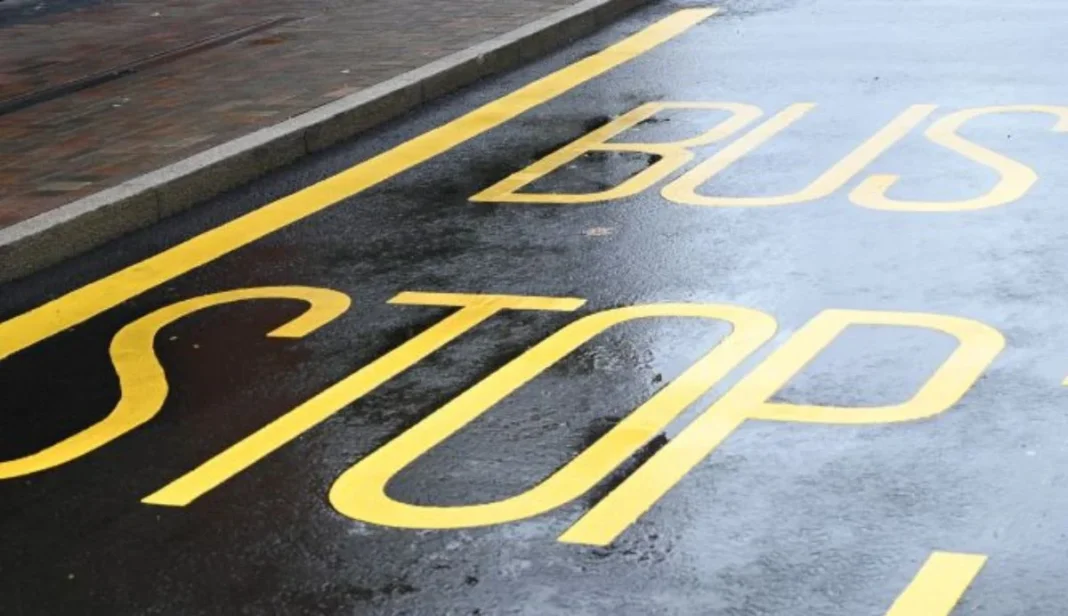
Hampshire County Council has received significant national funding to enhance bus travel across the region, with £27.2 million in capital investment and £24.9 million in revenue support confirmed over four years from 2026-2027.
The Local Authority Bus Grant (LABG) allocation from the Department for Transport will enable improvements to bus services throughout Hampshire, benefiting residents across the county.
Councillor Lulu Bowerman, Cabinet Member for Highways and Passenger Transport, said the Hampshire national funding bus travel package provides long-term certainty for planning service enhancements. “This funding allows us to collaborate with bus operators and community partners to deliver better services. We’re already seeing positive results, with bus passenger journeys rising by 6.8% this year,” she stated.
The investment aims to create more frequent, cleaner and reliable bus services. Councillor Bowerman emphasised that improved transport networks encourage greener travel choices, reducing congestion and supporting climate action.
“Better bus services strengthen our local economy, help young people access education and employment, and enable older residents to maintain independence and community connections,” she added.
Department for Transport statistics show Hampshire bus usage increased from 24.9 million journeys in 2023/24 to 26.6 million in 2024/25 – a rise of 1.7 million trips.
- Major M27 closure starts Christmas Eve
- Portsmouth Crown Court Listings – 18 December 2025
- A3 Northern Parade Junction Upgrades Complete Phase One
The Hampshire national funding bus travel grant will target specific improvements based on government criteria, including bus priority lanes, expanded timetables on popular routes, enhanced infrastructure at sixth form colleges, real-time passenger information systems, rural bus shelter improvements and community transport initiatives.
From 2025/26, the government will consolidate Bus Service Improvement Plans funding and the Local Authority Bus Service Operators’ Grant into a single allocation. Local authorities must direct this funding towards service improvements rather than long-term subsidies for commercial routes.